
Even though I was born to the generation born to the generation that went through the War, we grew up knowing about that war, remembering it and not leaving it behind us. Not only around holidays and special dates, but all year round we were watching movies about that war, reading books, listening to songs. We had our own mythology that became a common knowledge, the uniting force. Fascism wasn’t an abstract term: we knew a lot about it and hated it. Even people who opposed the Soviet regime held that war sacred. It was our war.
Of course, we knew about World War II, allies, joint effort to defeat Nazi Germany but in the country we always thought and talked about it as of the Great Patriotic War 1941-1945.The USSR lost twenty million people to this war. There were probably no families not affected by that war. It was our War. It was our Victory.
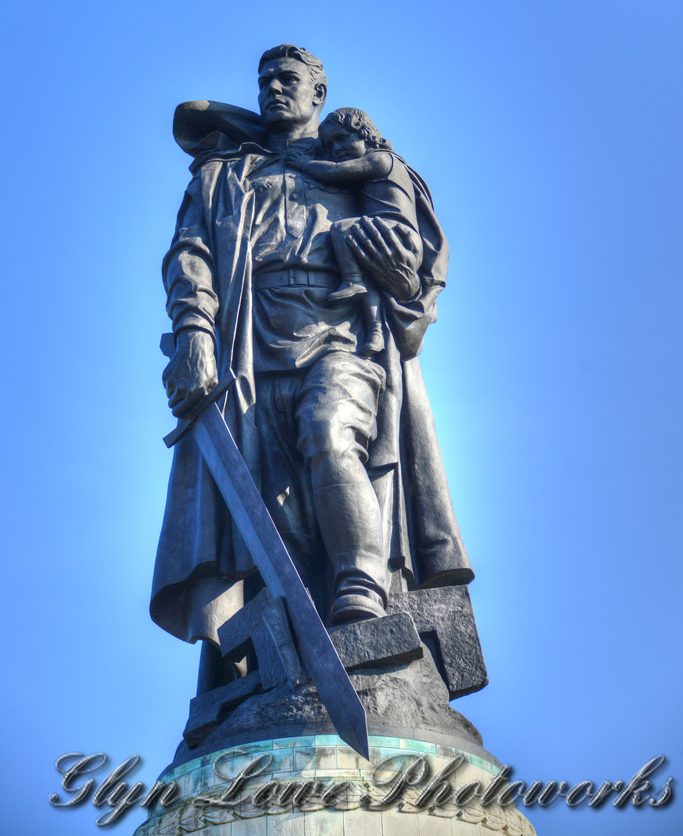
One important part of that patriotic mythology was an image of the Russian Soldier – the Defender, the Protector, the Liberator.
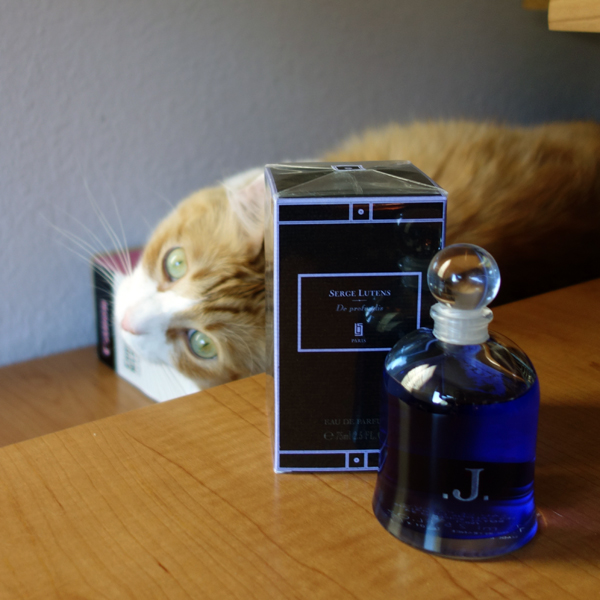
So when I first read the explanation behind Serge Lutens‘ La Fille de Berlin perfume in Kafka’s review, I was appalled: how could he?! How dared he?!! They had started it! They were enemies who invaded our country, who methodically exterminated civil population, destroyed cultural heritage and stole everything they could steal – and they did it not even on an individual level but as an organized and controlled plan.
I understand that any war has multiple faces and that regular people who might have not contributed to their country’s decision to start a war might suffer from it as a result. I understand that horrible actions of one side do not justify those same actions from the other. But while Nazi Germany for years tortured and killed millions of civilians – just for belonging to the “wrong” nation or ethnic groups – as well as employed forced laborers, killed POWs and bombed hospitals, Germany got to endure the hardship of the regular army occupation for a couple of months (I’m talking just about the after war chaos since later both the Soviet and the U.S. authorities put an end to an uncontrolled violence) – and we should pay a tribute to their women’s resilience and hardship they went through?! I sympathize but … cry me a river. You don’t want to pay homage to women of the country that brought communism affliction to Europe? Fine. How about Polish women who suffered greatly from Nazis? Or Jewish? Not sexy enough, Mr. Lutens?
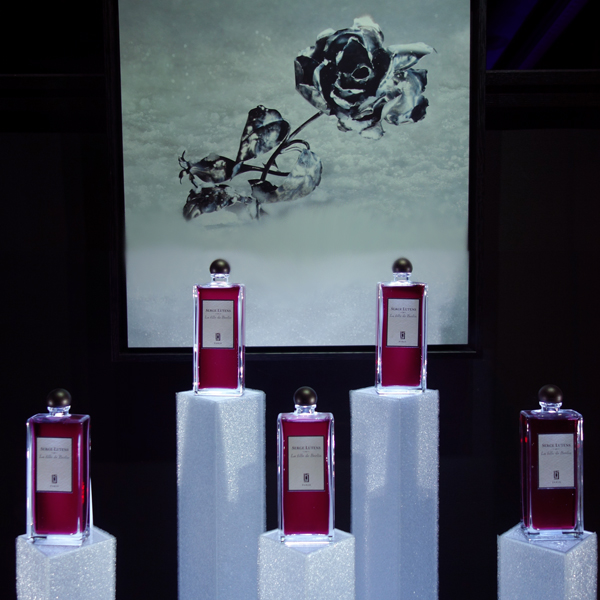
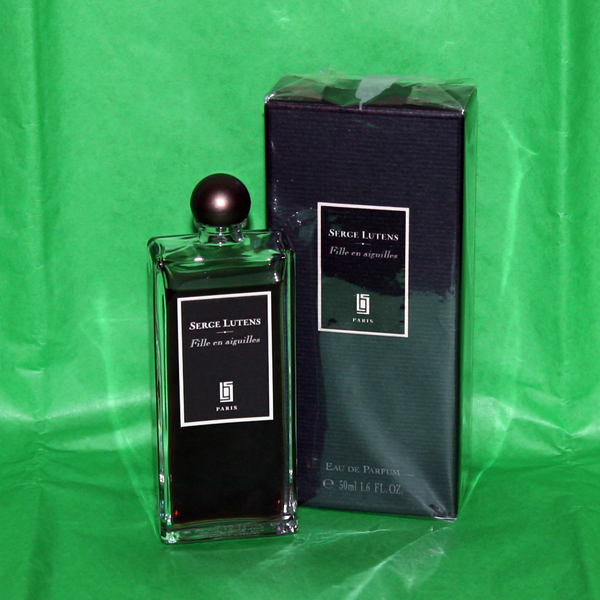
Yesterday, on May 9th, the Victory Day, I wore La Fille de Berlin. I did it as an act of a symbolic protest against current Russia’s actions against Ukraine and its attitude towards the rest of the World. I like this perfume. I like the disturbing color of the juice. I like the opening rose burst and the metallic undertone of the scent. I wish I hadn’t read Kafka’s or Victoria’s (EauMG) reviews: I usually do not care for an ad copy or perfumer’s commentary so if it weren’t for those reviews, I would have skipped them (and I promise to myself never to listen to those pseudo-philosophical mumblings again). But what I read about La Fille de Berlin is imprinted in my mind now and I just cannot bring myself to wearing it.
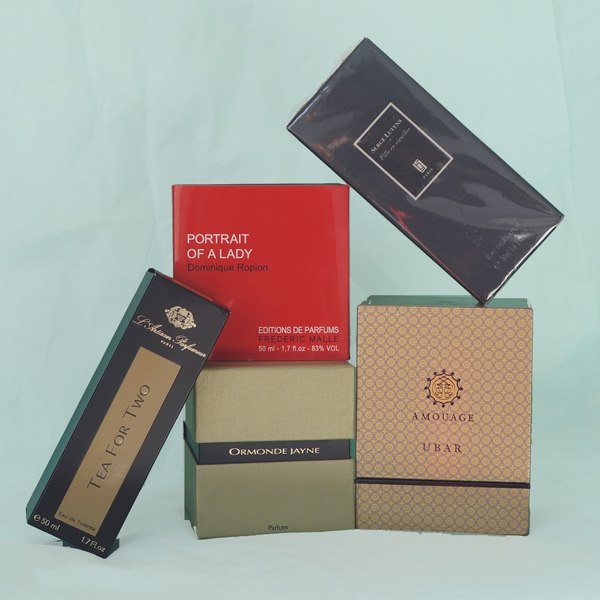
During the Great Patriotic War my mother’s mom was brought to Germany against her will to be a Fremdarbeiter. She died young after the war and her sister, who during the war served as a nurse in front-line duty unit, raised her. I knew her as my grandmother. My father’s mother, a medical school student at the time, helped in the hospital in Evacuation. So I’d rather stick to my Portrait of the Lady rose – it suits me better.
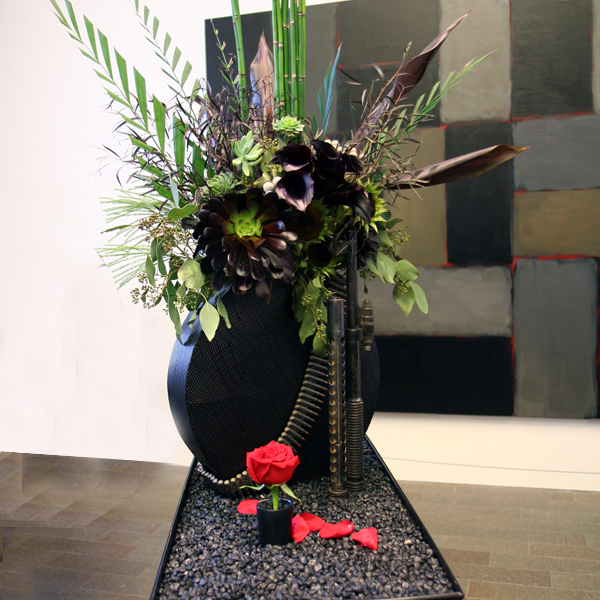
War’s Unwomanly Face is a name of one of my favorite books written by Svetlana Alexievich. You can download it in PDF from here (author’s site):
A woman is the giver of life; she safeguards life, so “Woman” and “life” are synonyms.
But during the most terrible war of the 20th century a woman had to become a soldier. She not only rescued and bandaged the wounded; she also fired a sniper’s rifle, dropped bombs, blew up bridges, went reconnoitering, and captured identification prisoners. A woman killed. She killed the enemy who, with unprecedented cruelty, was attacking her land, her home, and her children.
Images: The Soviet War Memorial from here; the rest – my own.









 Undina's Looking Glass